Tank vs. Tankless Water Heaters: Which Is Best for You?
In the quest for energy efficiency and a consistent hot water supply, homeowners often find themselves deciding between tank and tankless water heaters. Understanding the differences, benefits, and drawbacks of each type can help in making an informed decision. This article will dissect the key factors involved in choosing the right water heating solution for your home, including essential aspects such as cost, performance, installation requirements, and suitability for various households.
Understand the Basics of Water Heating
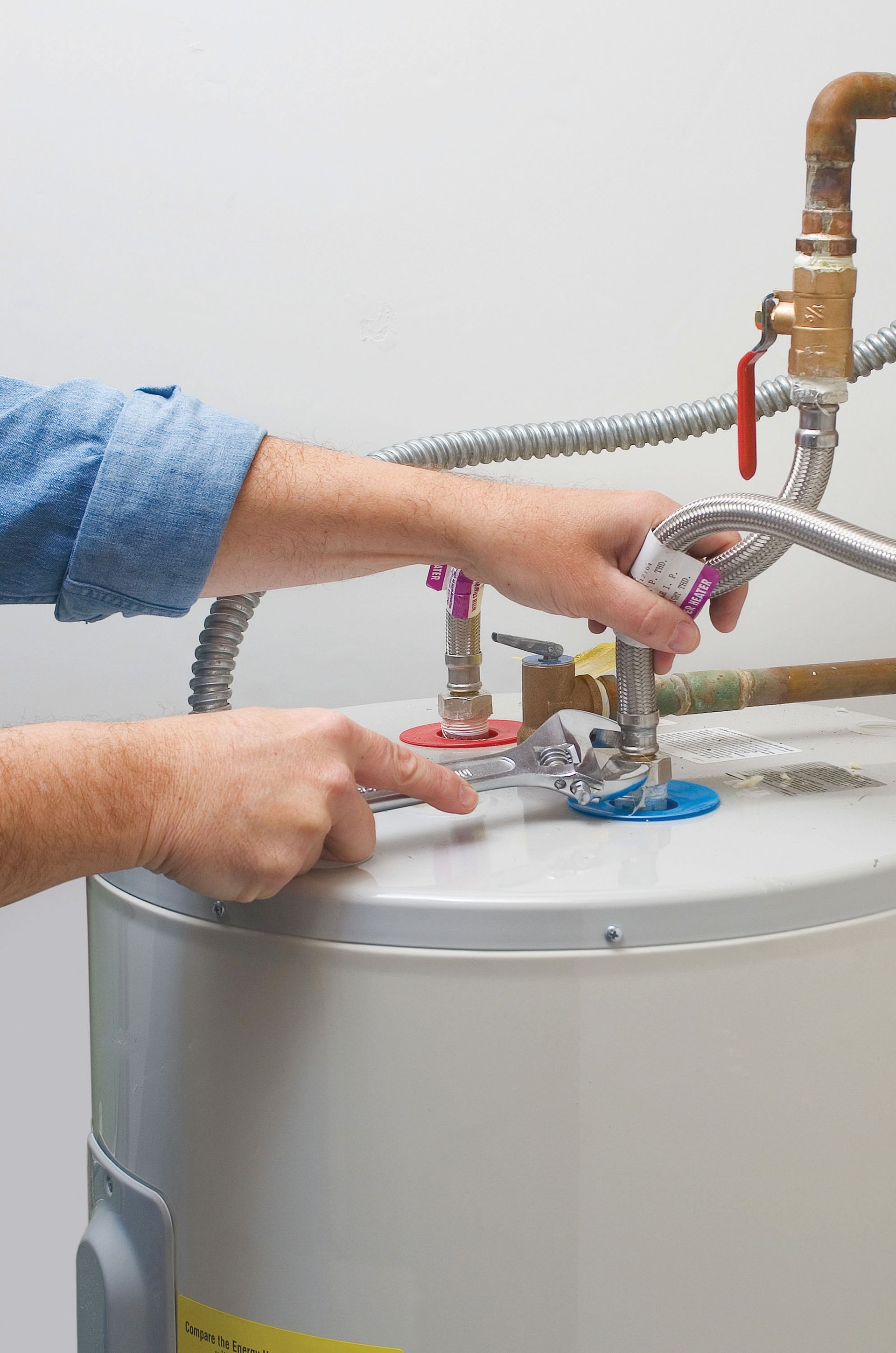
Tank models represent the traditional units that most homeowners recognize in residential plumbing settings. They consist of a large vessel that stores and heats water continuously for later use. A thermostat inside the tank controls the overall temperature, ensuring a ready supply whenever a tap is turned on. Once the stored hot water empties, the unit refills and reheats, which takes time and results in temporary downtime. These traditional setups are typically lower in upfront costs, but they prove less energy-efficient over time due to constant thermal loss while storing standby liquid.
Tankless units, often called on-demand systems, heat liquid directly without relying on a large holding tank. When a hot tap turns on in your home, cold fluid travels through a pipe into the system where it heats instantly via a gas burner or electric element. This modern design eliminates standby energy loss, making it significantly more efficient than standard storage alternatives. Though they deliver a continuous flow, high demand across multiple outlets simultaneously can strain the system rate. These sleek units are gaining strong traction in modern kitchen remodeling and home updates due to their compact footprints and lower operational energy consumption.
The primary functional difference between these two categories rests in how they prepare hot liquid for your household. Storage models keep a full reservoir hot and ready at all times, whereas demand models perform heating only when requested by an active fixture. This dynamic leaves standard storage options with ongoing standby power losses, while demand options offer streamlined energy savings. However, demand efficiency drops if household usage surpasses the total output capacity of the system.
Evaluate Initial and Long-Term Costs
The baseline purchase price of new equipment plays a major role in shaping a final purchasing decision for homeowners. Demand systems carry a noticeably higher upfront price tag when compared to traditional storage units, which remain budget-friendly. Yet, the overall operational lifespan of demand systems extends significantly longer, balancing out the initial financial outlay over time. Homeowners should weigh upfront costs against expected long-term energy savings and overall equipment longevity.
Installation expenses vary dramatically between storage and demand water heating systems due to infrastructure needs. Demand equipment requires a far more complex setup, frequently needing upgrades to existing plumbing lines, electrical panels, or gas supply pipes. This technical complexity raises labor expenses, particularly in older properties where retrofitting creates structural challenges. Conversely, replacing a standard storage unit is generally straightforward because it plugs directly into pre-existing connections. Opting for a standard storage model reduces labor overhead, though long-term utility savings still motivate many to select demand equipment.
Long-term energy savings represent one of the primary selling points for modern demand systems. By eliminating standby thermal loss, on-demand units reduce monthly utility expenses over years of continuous operation. According to research conducted by The Farnsworth Group, 31.6% of homeowners communicated intent to retrofit their home with tankless water heaters to increase energy efficiency. Realized savings depend heavily on daily household consumption habits and regional energy costs. In low-demand homes, traditional storage units may still deliver acceptable overall cost efficiency despite higher standby energy consumption.
Compare System Performance and Output Efficiency
Hot water output capabilities vary sharply between storage and demand systems, directly influencing daily household comfort. Storage models maintain a fixed volume of heated liquid ready for immediate deployment, which rapidly empties during peak morning routines. Once drained, users must wait through a recovery cycle while the tank reheats incoming cold water. Demand systems supply continuous output as long as total water flow remains within the rated gallon-per-minute capacity. Homes with heavy simultaneous usage may require multiple demand units or hybrid setups to maintain consistent pressure and temperature.
Energy efficiency ratings remain vital when selecting new residential plumbing equipment, directly impacting monthly utility bills and environmental footprints. Demand units achieve superior efficiency ratings because they operate exclusively when fixtures are active, avoiding standby energy loss. Many demand models boast Uniform Energy Factor ratings well above standard thresholds, reflecting minimal wasted energy during operation. Traditional storage units carry lower ratings because heat continuously escapes through the tank walls during holding periods. Eco-conscious homeowners often choose demand units to minimize wasted energy.
Geographic location and ambient climate heavily impact how efficiently water heaters perform throughout the changing seasons. In colder regions, low incoming groundwater temperatures require extra heating energy, which can reduce the output capacity of demand units. Regional fuel availability also dictates whether gas or electric infrastructure offers the most economical operational costs. Areas facing severe drought or high utility rates incentivize systems that conserve energy and optimize flow rates. Homeowners must evaluate regional climate conditions to ensure their preferred equipment operates at peak effectiveness year-round.
Assess Physical Space and Installation Requirements
Physical space limitations heavily influence equipment selection, especially in smaller properties, apartments, or finished basements. Demand units feature compact, wall-mounted designs that free up valuable floor area for storage or living needs. Standard storage tanks occupy significant square footage, requiring dedicated utility closets or mechanical rooms to accommodate their bulky footprints. Property owners looking to optimize usable interior space frequently prefer space-saving demand units. Maximizing open floor space makes demand systems an attractive upgrade during comprehensive bathroom remodeling projects.
The overall installation process for demand equipment involves greater technical complexity than replacing standard tank water heaters. Installing demand units often requires upgrading gas line diameters, running dedicated electrical circuits, or installing specialized concentric venting through exterior walls. These modifications require skilled plumbing labor and additional installation time. Replacing a standard storage tank with a new model of similar size is typically far simpler and less expensive. Homeowners must consider their structural setup and willingness to fund mechanical retrofits when evaluating both options.
Retrofitting older residences with modern demand heating technology introduces unique mechanical challenges. Aging infrastructure may lack the electrical capacity or gas pipe sizing needed to run high-output demand systems smoothly. Resolving these infrastructural gaps can require extra mechanical upgrades and structural adjustments during the installation phase. Replacing an old tank with a modernized storage unit usually reuses existing piping and electrical runs with minimal disruption. Despite upfront retrofitting challenges, long-term efficiency gains lead many property owners to invest in updated demand technology.
Installing compact demand equipment can transform usable living space within a residential or light commercial plumbing layout. Wall-mounted designs allow flexible placement inside closets, utility nooks, or small mechanical rooms without blocking walkways. Bulky storage tanks restrict room layouts and eliminate valuable floor space that could serve other functional purposes. Evaluating floor plans helps property owners select water heaters that fit seamlessly into their available square footage.
Selecting the right system comes down to balancing your household budget, daily output requirements, and long-term energy goals. Whether you choose a classic storage model or an efficient demand unit, professional installation guarantees optimal performance and peace of mind. Contact Maxwell Plumbing & Heating LLC today to schedule a professional consultation and discover the perfect water heating solution for your home!

















Share On: