
What You Need to Know About Tankless Water Heaters
Choosing the right system for your home’s hot water needs can have a significant impact on comfort, efficiency, and long-term costs. Many homeowners are now exploring alternatives to traditional storage systems, especially as energy efficiency becomes a higher priority. Tankless water heaters have gained attention for their modern design and ability to deliver hot water on demand, making them an appealing option for today’s households.
Understanding How Tankless Water Heaters Work
Tankless water heaters are designed to provide hot water on demand rather than storing it in a tank. Unlike traditional water heaters that continuously heat and reheat a reservoir, tankless systems activate only when a hot water tap is turned on. Cold water flows through the unit, where it is rapidly heated by either a gas burner or an electric element before reaching your faucet.
This on-demand functionality means you are not limited by the size of a tank. Instead, tankless water heaters deliver a continuous supply of hot water, making them ideal for households that want consistent performance. However, the system’s output depends on flow rate, so running multiple fixtures at once may require proper sizing or multiple units.
For many homeowners, understanding how water heaters operate is the first step toward choosing the right system. Tankless units represent a modern approach that prioritizes efficiency and convenience, especially when installed and maintained by experienced professionals.
Exploring the Benefits of Tankless Water Heaters
One of the biggest advantages of tankless water heaters is energy efficiency. Because they heat water only when needed, they eliminate the standby heat loss associated with traditional water heaters. This can lead to noticeable energy savings over time, especially in homes with moderate water usage.
Another major benefit is the ability to enjoy endless hot water. Whether you are taking a long shower or running multiple appliances, tankless water heaters can keep up with demand when properly sized. This feature alone makes them appealing to growing families or households with high daily usage.
Tankless water heaters also tend to last longer than conventional systems. While traditional water heaters often need replacement within a decade or a decade and a half, tankless units can operate for two decades or more with proper care. In addition to longevity, their compact design saves valuable space. Many units are wall-mounted, freeing up room in basements, utility closets, or garages. For homeowners looking to maximize efficiency and comfort, these water heaters offer a compelling upgrade.
Evaluating the Limitations of Tankless Water Heaters
While tankless water heaters offer many advantages, they are not without limitations. One of the primary considerations is the upfront cost. Installation can be more complex than with traditional water heaters, especially if upgrades to gas lines or electrical systems are required.
Another factor to consider is flow rate. Tankless water heaters heat water as it passes through the unit, which means there is a limit to how much hot water can be delivered at once. In larger households, running multiple showers and appliances simultaneously may require more than one unit to maintain consistent performance.
Maintenance is also an important aspect. Although tankless water heaters generally require less frequent replacement, they still need routine service to prevent mineral buildup and ensure efficiency. Hard water areas, in particular, can impact performance if systems are not properly maintained. Despite these considerations, many homeowners find that the long-term benefits outweigh the initial investment. Working with a knowledgeable plumbing professional can help determine whether tankless water heaters are the right fit for your home.
Comparing Tankless Water Heaters to Traditional Systems
When comparing tankless water heaters to traditional water heaters, the differences come down to efficiency, performance, and design. Traditional systems store and continuously heat water in a tank, which can lead to energy waste even when hot water is not being used. Tankless models, on the other hand, heat water only when needed, reducing unnecessary energy consumption.
Another key difference is capacity. Traditional water heaters can run out of hot water once the tank is depleted, requiring time to reheat. Tankless systems eliminate this issue by providing a continuous flow, though they must be properly sized to meet household demand.
Space is also a major factor. Tank water heaters take up significant room, while tankless water heaters offer a compact, wall-mounted solution. This makes them especially appealing for homes with limited space or for homeowners looking to modernize their systems. Ultimately, both types of water heaters have their place. The best choice depends on your household size, water usage habits, and long-term goals for efficiency and comfort.
Considering Household Water Usage and Efficiency
When evaluating water heaters, it is important to consider how much water your household uses on a daily basis. According to the EPA, homeowners in the U.S. use an average of 82 gallons of water a day. This level of usage highlights the importance of having an efficient and reliable system in place.
Tankless water heaters can be particularly beneficial for managing this demand because they heat water only as it is needed. This reduces wasted energy and can contribute to lower utility bills over time. However, proper sizing remains essential to ensure the system can handle peak usage periods.
Efficiency is not just about energy savings. It also affects comfort and convenience. A well-installed tankless system ensures consistent water temperature and reduces the likelihood of running out of hot water during busy times of day. For homeowners looking to upgrade their water heaters, understanding usage patterns is a key step in making an informed decision.
Choosing Professional Installation and Ongoing Service
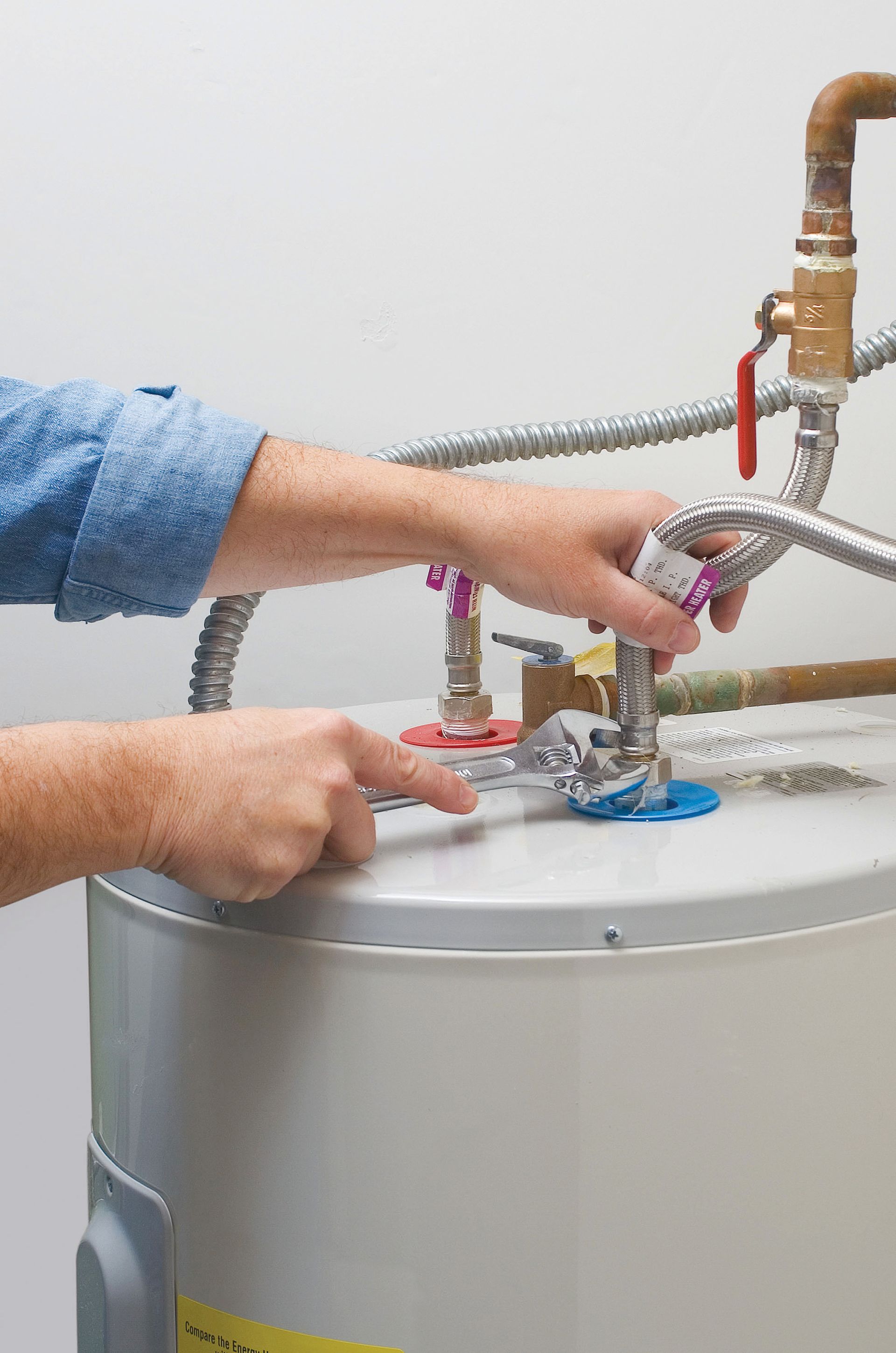
Installing tankless water heaters is not a simple do-it-yourself project. These systems require precise calculations, proper venting, and careful integration with your home’s plumbing and energy systems. Professional installation ensures that the unit operates safely and efficiently from day one.
Experienced technicians can also help determine the right size and type of unit for your home. Whether you choose gas or electric water heaters, proper installation is essential to achieving optimal performance.
Ongoing maintenance is equally important. Routine inspections and cleaning help prevent buildup and extend the lifespan of the system. Regular service also ensures that your water heaters continue to operate at peak efficiency throughout the year. Working with a trusted plumbing company provides peace of mind and helps protect your investment over time.
Making the Right Choice for Your Home
Tankless water heaters offer a modern, energy-efficient alternative to traditional water heaters. With benefits like on-demand hot water, longer lifespan, and reduced energy consumption, they are an attractive option for many homeowners. At the same time, factors such as installation cost, flow rate, and maintenance requirements should be carefully considered.
Every home is different, and the best choice depends on your specific needs and priorities. By understanding how tankless water heaters work and what they offer, you can make a confident decision about upgrading your system. Tankless water heaters provide a reliable and efficient solution for modern households that value performance and convenience.
By delivering hot water on demand and reducing energy waste, these systems can enhance daily living while supporting long-term savings. With the right installation and maintenance, homeowners can enjoy consistent comfort and dependable operation. If you are ready to improve your home’s comfort and efficiency with expert guidance and reliable service, contact Maxwell Plumbing & Heating LLC today.














Share On: